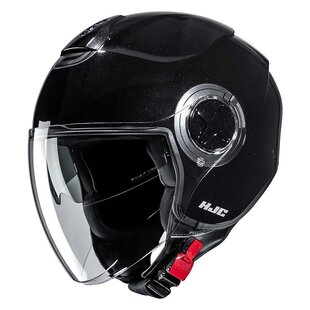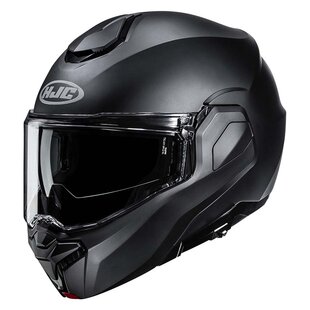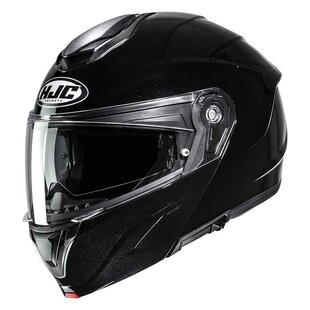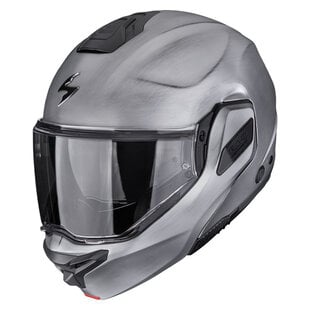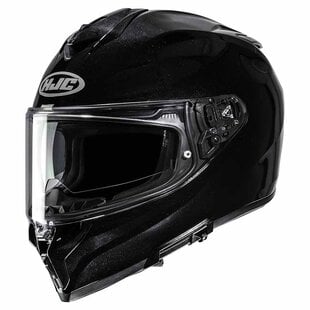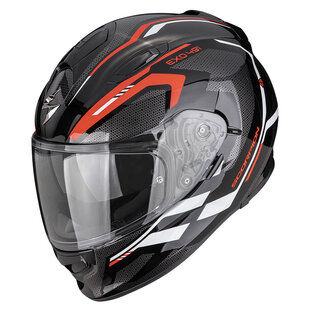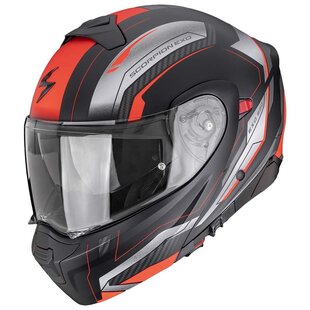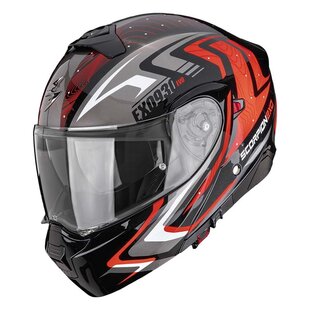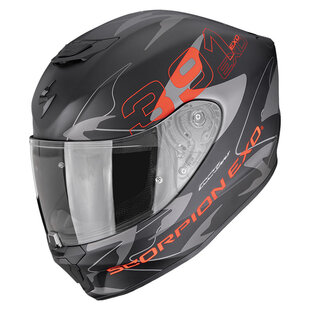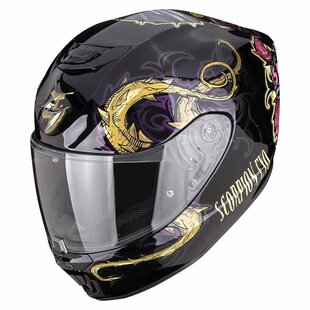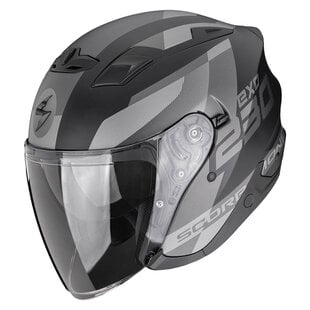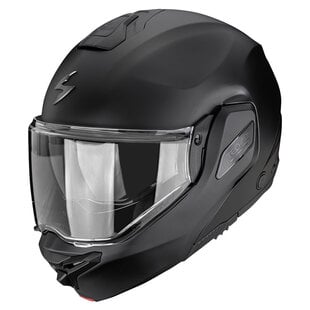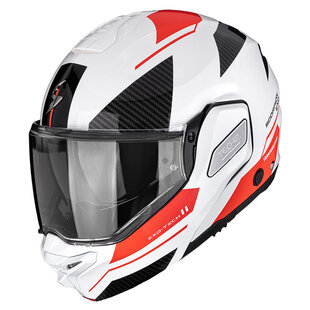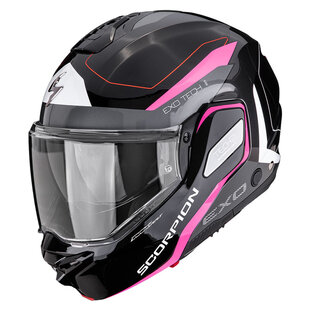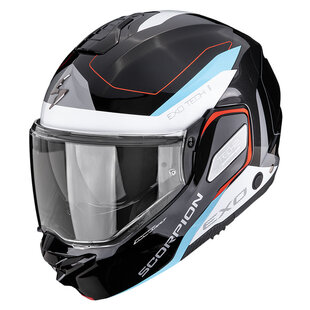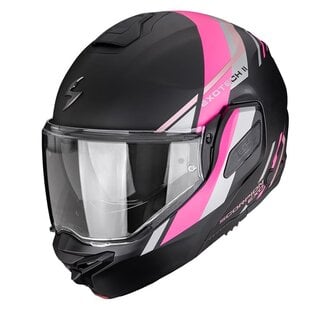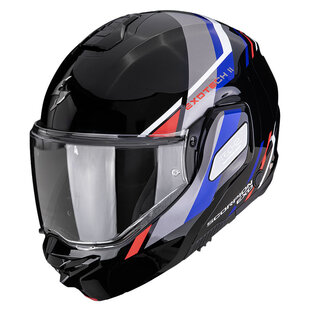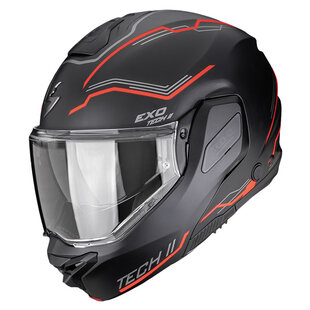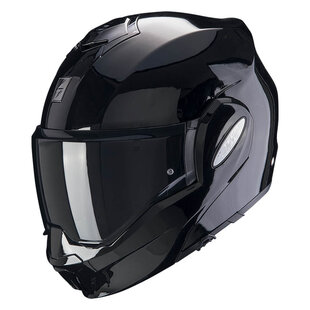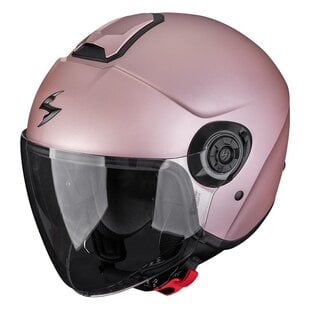
Polycarbonate

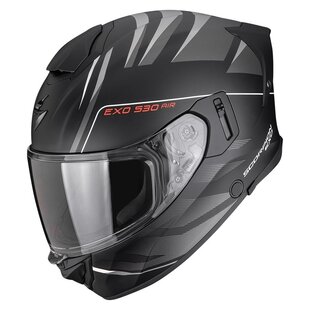
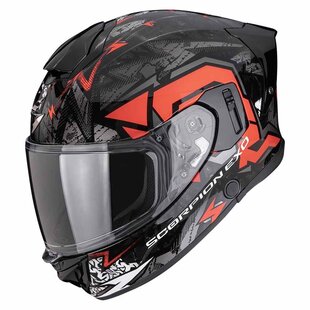
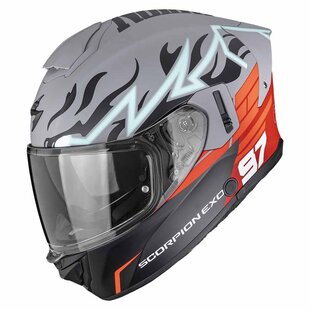
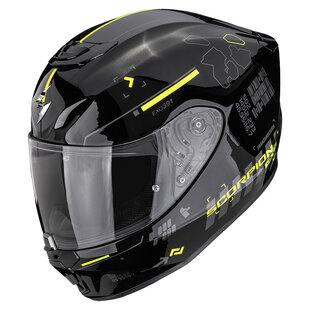
Polycarbonate motorcycle helmets are affordable, lightweight, and offer good protection. However, polycarbonate is less rigid than carbon or fiberglass and has a shorter lifespan of about 3 to 5 years. Additionally, it is more prone to scratches and often requires a thicker shell for adequate protection. Despite this they remain a safe and budget-friendly option for motorcyclists.
259 items
When choosing a motorcycle helmet, you will encounter three main materials: polycarbonate, fiberglass, and carbon. Polycarbonate is a strong, impact-resistant plastic that is widely used for the outer shell of motorcycle helmets. Polycarbonate is known for its excellent impact resistance. In the event of a fall or collision, the material is able to absorb and distribute the force of the impact across the helmet surface. Combined with the shock-absorbing inner liner, this provides reliable protection while riding.

A key advantage of polycarbonate helmets is their attractive price-to-quality ratio. The manufacturing process allows for safe, certified helmets to be produced at a more accessible price point compared to fiberglass or carbon helmets. This makes polycarbonate a popular choice for both beginner and experienced riders. In addition, polycarbonate offers great design flexibility. The material can be easily shaped into different forms, allowing for modern designs and comfortable fits. These helmets are also often slightly more flexible, which helps absorb energy during an impact.

Compared to high-end composite materials, a polycarbonate helmet is generally a bit heavier. On the other hand, the material is very durable, low-maintenance, and well-suited for everyday use.

Brands we are proud of

All under one roof in Amsterdam!

REV’IT
Alpinestars
Shoei
HJC
Scorpion
Roof
LS2
Pando Moto
Cardo Systems
Kriega
Quad Lock
Dainese